


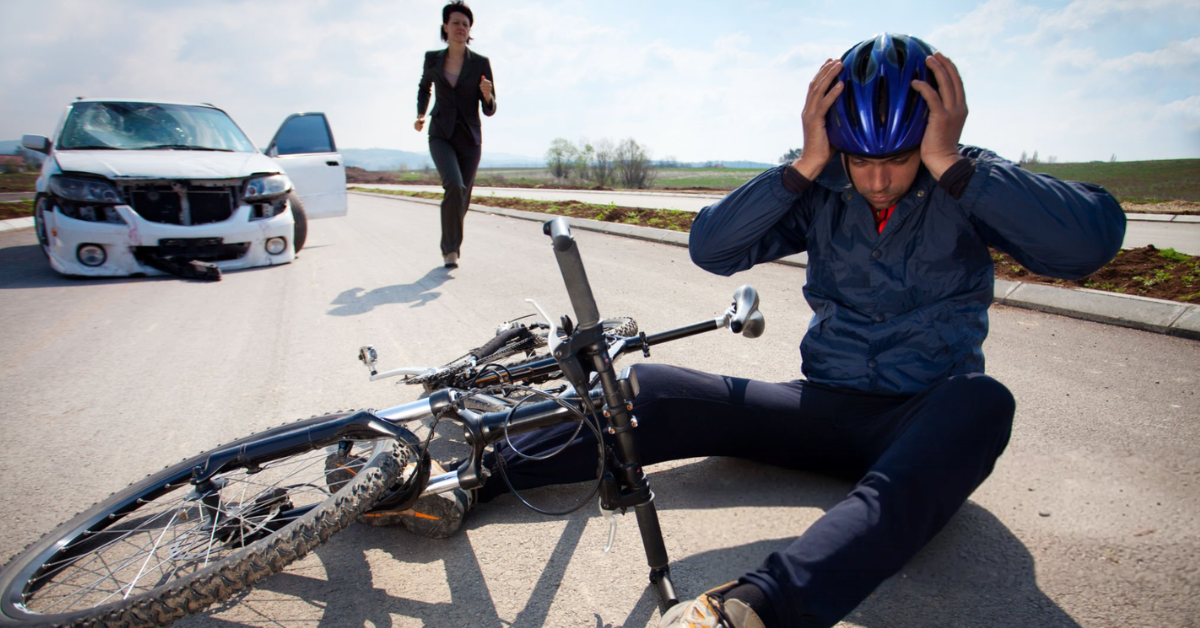
Bike crashes can flip life upside down in seconds. One careless driver, one sharp turn, or one missed stop sign may leave a rider hurt, stressed, and buried in bills. Strong proof often decides who wins or loses after a crash. Good evidence paints a clear picture of what happened on the road. Without solid records, insurance firms may push back hard. Many injured riders struggle to prove fault after a collision, which makes bicycle accident evidence in California a huge part of any legal claim.
Photos From the Accident Scene
Pictures carry serious weight after a bicycle crash. Clear images help explain road conditions, injuries, vehicle damage, and traffic signs. They also capture details that people may forget later.
A cyclist should take photos as soon as possible if health allows. Even simple phone pictures can support a claim. Images from different angles often help show the fault more clearly.
Important scene photos may include:
- Damaged bicycle parts
- Vehicle dents or scratches
- Road debris
- Skid marks
- Traffic lights
- Weather conditions
- Bike lane markings
- Visible injuries
Photos taken right after the crash often become strong proof during insurance talks or court cases.
Witness Statements and Why They Matter
Neutral witnesses can make a huge difference in bicycle accident claims. People nearby may describe how the crash happened and who caused it.
Drivers sometimes change stories after an accident. Witnesses help fill gaps and support the cyclist’s side of events. Strong witness statements often pressure insurance companies to act fairly.
Cyclists should collect names and phone numbers from anyone who saw the crash. Short video statements may also help if witnesses agree.
Reliable witnesses create credibility, especially when fault remains disputed.
Medical Records and Injury Proof
Medical records connect injuries directly to the crash. Doctors document pain, fractures, treatment plans, and recovery needs. These records help show how serious the injuries really are.
Waiting too long for treatment may hurt a claim. Insurance companies often argue that injuries came from something else if medical care starts days later.
Detailed records may include emergency room visits, scans, prescriptions, therapy notes, and surgery reports. Injury photos also strengthen claims involving bruises, cuts, or road rash.
Medical evidence often shapes the value of a settlement.
Police Reports and Official Documentation
Police officers gather key details at crash scenes. They speak with drivers, cyclists, and witnesses before writing reports. Officers may also note traffic violations or unsafe driving behavior.
A police report bicycle accident file often becomes one of the first documents insurance adjusters review. While reports may not decide fault alone, they still carry weight.
Cyclists should request a copy after the accident and review it for mistakes. Incorrect details may create issues later during settlement talks.
Reports often include:
- Date and time
- Crash location
- Driver information
- Witness details
- Officer observations
- Road conditions
A complete police report of a bicycle accident record may help support injury claims and fault arguments.
Video Footage and Camera Evidence
Video evidence can change everything in a bicycle accident case. Cameras capture real events instead of relying on memory or opinions.
Many California streets now contain traffic cameras, security systems, and dashcams. Homes and stores near intersections may also record crashes without people noticing at first.
Strong surveillance footage of a bicycle accident may show speeding, distracted driving, unsafe lane changes, or failure to yield. Video clips often remove confusion fast.
Cyclists should act quickly because many businesses erase recordings within days.
Helmet cameras and bike-mounted cameras also help riders protect themselves. Video often becomes the strongest evidence in disputed claims.
Damage to the Bicycle and Gear
The condition of a bicycle after a crash tells an important story. Bent wheels, broken frames, cracked helmets, and torn gear help explain impact severity.
Insurance companies may try to downplay injuries if the damage looks small. Clear repair estimates and mechanic reports help counter those arguments.
Cyclists should avoid repairing or replacing damaged items too soon. Preserving evidence helps legal teams review the accident properly.
Protective gear also matters. A cracked helmet may support claims involving head trauma or concussion symptoms.
Legal Support Can Strengthen Your Case
Gathering evidence takes time, focus, and quick action. Many injured riders struggle to handle paperwork while healing from injuries.
A legal team may collect records, review evidence, interview witnesses, and deal with insurance companies. Fast action often protects important proof before it disappears.
People handling claims involving surveillance footage, bicycle accident evidence, or disputed fault may benefit from legal guidance during negotiations.
Guidance for Injured Cyclists Across California
After a bicycle crash, solid evidence can shape the outcome of a claim. Missing proof may weaken even valid cases. The legal team at Thomas F. Forsyth helps injured cyclists build strong cases through detailed investigations, evidence review, and aggressive representation. Skilled legal support may help riders pursue fair compensation after serious accidents.
FAQs
What is the most important evidence after a bicycle accident?
Photos, medical records, witness statements, and a police report often become the strongest evidence in bicycle accident claims.
How can surveillance footage help a bicycle crash claim?
Video footage may show how the crash happened, who caused it, and whether traffic laws were broken during the accident.
Should I get a police report after a bicycle accident?
Yes. A police report creates an official record of the crash and may support insurance or legal claims later.
Can social media hurt my bicycle accident claim?
Yes. Insurance companies may use posts or photos of injured cyclists during settlement discussions or lawsuits.
How long should I keep evidence after a bicycle accident?
Keep all records, photos, repair estimates, and medical documents until the claim fully ends or legal action finishes.
Final Thought
Winning a bicycle accident claim often depends on strong, reliable evidence. Photos, medical records, witness statements, reports, and video footage help prove fault and damages clearly. Quick action matters because evidence can disappear fast after a crash. Cyclists who stay organized and protect key records place themselves in a stronger position while seeking compensation after a painful and stressful accident.
Post Disclaimer
This article is for informational purposes only and does not constitute legal advice. Every case is different. Contact an attorney for advice about your specific situation.