


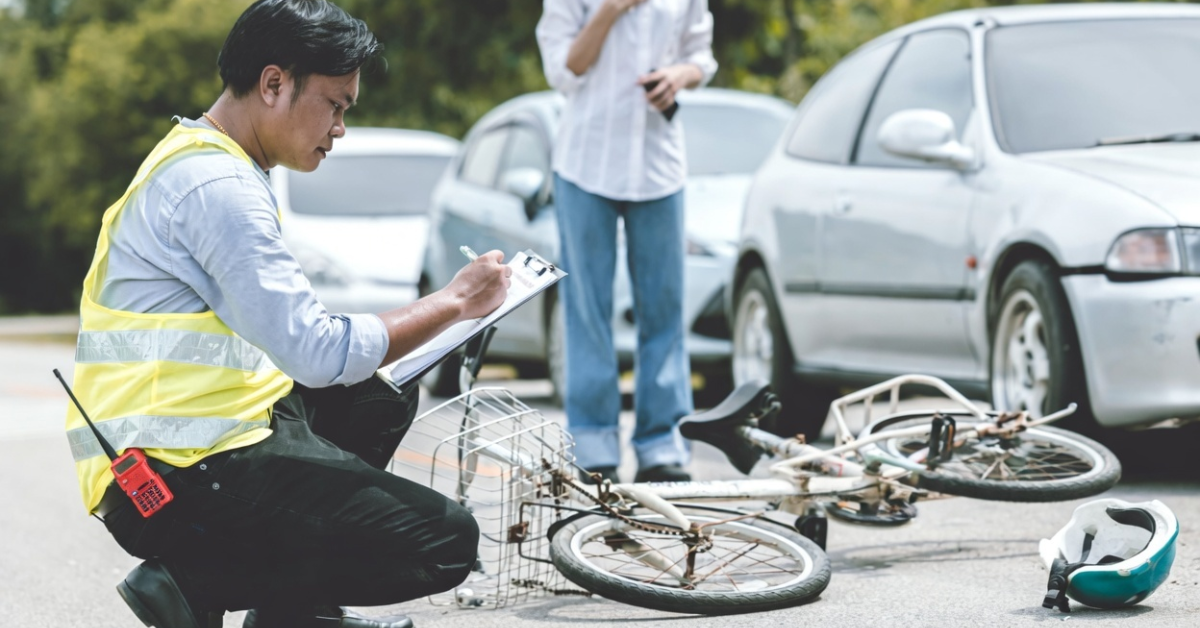
Introduction
A quiet ride can turn into chaos in seconds. One wrong move, one careless driver, and life flips upside down. No witnesses around? Feels like a dead end, right? Not really. Solid proof still exists if you know where to look. Building bicycle accident evidence without anyone backing your story may sound tough, but it is far from impossible. With the right steps, you can piece together facts and show what really happened. Let’s break it down in a simple way so you can stay one step ahead.
Understanding Fault in Bicycle Accidents
Fault decides who pays for damage, injuries, and losses. In a cycling crash, fault often falls on the person who broke traffic rules or failed to act safely.
Without witnesses, things may feel shaky. Still, facts matter more than opinions. Courts and insurers rely on clear proof, not just stories. So, focus shifts to physical signs, reports, and digital traces.
Importance of Strong Evidence
No witness? No problem if your evidence speaks loudly enough. The key lies in collecting and preserving every possible detail.
Here’s why strong proof matters:
- It supports your version of events
- It helps establish negligence
- It boosts the chances of fair compensation
- It reduces disputes from the other side
Good evidence for a cycling accident claim can turn a weak case into a strong one.
Collecting Physical Evidence at the Scene
Right after a crash, your first instinct may be panic. Still, if safe, gather details on the spot. Small things can carry big weight later.
Take photos of:
- Your bike damage
- Vehicle damage
- Road conditions
- Traffic signs and signals
- Skid marks or debris
Use your phone. Capture wide shots and close-ups. These images help rebuild the scene later and support bike accident liability proof.
Role of Police Reports
Calling the police may feel like a hassle, but it is worth it. An officer creates an official report, and this document holds strong value.
The report may include:
- Date and time of accident
- Location details
- Statements from involved parties
- Initial fault assessment
Even without witnesses, this report adds credibility. It acts as a neutral record of the incident.
Medical Records as Supporting Evidence
Injuries tell a story. Doctors record details with care, and these records can link your injuries to the crash.
Visit a doctor as soon as possible. Delays can raise doubts. Medical reports help show:
- Type of injuries
- Severity
- Treatment needed
- Recovery timeline
Such records strengthen your evidence for a cycling accident claim and show the real impact on your life.
Using Surveillance and Camera Footage
Modern streets rarely stay unseen. Cameras exist almost everywhere. You just need to track them down.
Check for:
- Traffic cameras
- Nearby shops
- Residential security cameras
- Dashcams from nearby vehicles
Ask for footage quickly. Many systems erase data after a short time. Video proof can clearly show what went wrong and who caused it.
Eyewitness Alternatives: Digital Clues
Even if no one saw the crash, digital footprints can help fill gaps.
Look into:
- GPS data from fitness apps
- Smartwatch activity logs
- Phone location history
These tools can confirm your speed, route, and timing. Such data adds another layer to bike accident liability proof.
Expert Analysis and Accident Reconstruction
When things get complex, experts step in. Accident reconstruction specialists study the scene and build a clear picture.
They analyze:
- Impact points
- Damage patterns
- Road layout
- Speed estimates
Their findings often carry weight in legal cases. It helps turn scattered facts into a strong argument.
Statements from Involved Parties
Even without witnesses, statements matter. What you say and what the other driver says can shape the case.
Write down your account as soon as possible. Keep it clear and consistent. Avoid guessing. Stick to facts.
Also, note any admission from the other driver. Even a casual apology can hint at fault.
Insurance Company Investigations
Insurance companies dig deep. They review every piece of evidence before deciding.
They look at:
- Photos
- Reports
- Medical records
- Repair estimates
Strong bicycle accident evidence can push them toward a fair settlement. Weak proof may lead to delays or denial.
Common Challenges without Witnesses
Proving fault without witnesses comes with hurdles. Still, knowing them helps you prepare better.
Some common issues include:
- Conflicting stories
- Lack of direct proof
- Delays in evidence collection
- Pressure from insurers
Stay calm and focused. A well-built case can still win.
Steps to Strengthen Your Case
Building a strong claim requires effort and timing. Follow these steps to stay on track:
- Document everything right away
- Seek medical care without delay
- Preserve damaged items
- Keep all receipts and bills
- Avoid posting about the accident online
Each step adds weight to your case and supports evidence for a cycling accident claim.
Final Thought
Proving fault in a bicycle accident without witnesses may seem like an uphill battle. Still, it is not a lost cause. Evidence comes in many forms, and each piece matters. From photos to medical records, from reports to digital data, every detail builds your story. Stay alert, act fast, and keep records safe. With the right approach, you can show the truth and secure fair compensation.
FAQs
How do you prove fault in a bicycle accident without witnesses?
You can use photos, police reports, medical records, and camera footage. These pieces help show what happened and who caused the crash.
What evidence is most useful in a cycling accident claim?
Photos, video footage, and medical records hold strong value. They clearly connect the accident to injuries and damage.
Can GPS data help prove a bike accident case?
Yes, GPS data can show your speed, route, and timing. It supports your version of events and adds credibility.
Is a police report necessary after a bicycle accident?
It is not always required, but it helps a lot. A report provides an official record and supports your claim.
How long should you keep accident evidence?
Keep all records until your case ends. This includes photos, reports, and medical bills.
Get the Legal Help You Need
If you face a tough situation after a cycling accident, expert help can make all the difference. The team at Thomas F. Forsyth works to build strong cases using solid proof and smart strategy. Reach out today and take the first step toward fair compensation and peace of mind.
Post Disclaimer
This article is for informational purposes only and does not constitute legal advice. Every case is different. Contact an attorney for advice about your specific situation.