


A bicycle accident can quickly turn into a dispute about who was at fault. A driver may tell a different story, or an important detail may be difficult to prove later. That is why bicycle accident evidence can make such a difference. Bike camera footage can capture the road, traffic, driver actions, and moments leading up to a crash. When saved and handled properly, this footage may give an injured cyclist strong support for a claim.
Thomas F. Forsyth assists injured cyclists to understand how available evidence can support their legal claims.
Why Is Bike Camera Footage Useful After an Accident?
A camera can record what happens when you may not be able to remember every detail. A crash happens in seconds, and the impact itself can leave you confused or shaken.
Video can provide a visual record of those moments. It may show where you were riding, what the driver did, traffic signals, road conditions, and how the collision occurred.
This can be especially useful when the driver denies responsibility. Instead of relying only on conflicting statements, the video may provide an objective record that helps clarify what happened.
How Bike Camera Footage Helps Accident Claims
It Can Show Driver Negligence
A bike camera may capture a driver speeding, turning without yielding, following too closely, using a phone, or making an unsafe lane change.
For example, a cyclist may claim that a driver passed too close before striking the bicycle. If the camera recorded the event, the footage may show the vehicle’s position and actions before the collision.
It Can Show Traffic Violations
Traffic signs and signals can be important in bicycle accident cases. Video may show a driver running a red light, failing to stop at a stop sign, or turning across a cyclist’s path.
These details can help establish what each person was doing immediately before the accident.
It Can Show Road Conditions
Bike cameras do not only record vehicles. They may also capture potholes, debris, damaged pavement, blocked bike lanes, poor signs, or other conditions that could have contributed to a crash.
This can be important when another party may be responsible for an unsafe roadway or property condition.
What Types of Bike Cameras Can Record an Accident?
Cyclists use several types of cameras. Some attach to helmets, while others mount to handlebars or the rear of the bicycle.
Helmet Cameras
Helmet-mounted cameras provide a view based on where the cyclist is looking. They can capture vehicles approaching from the front and may record the cyclist’s movements.
Handlebar Cameras
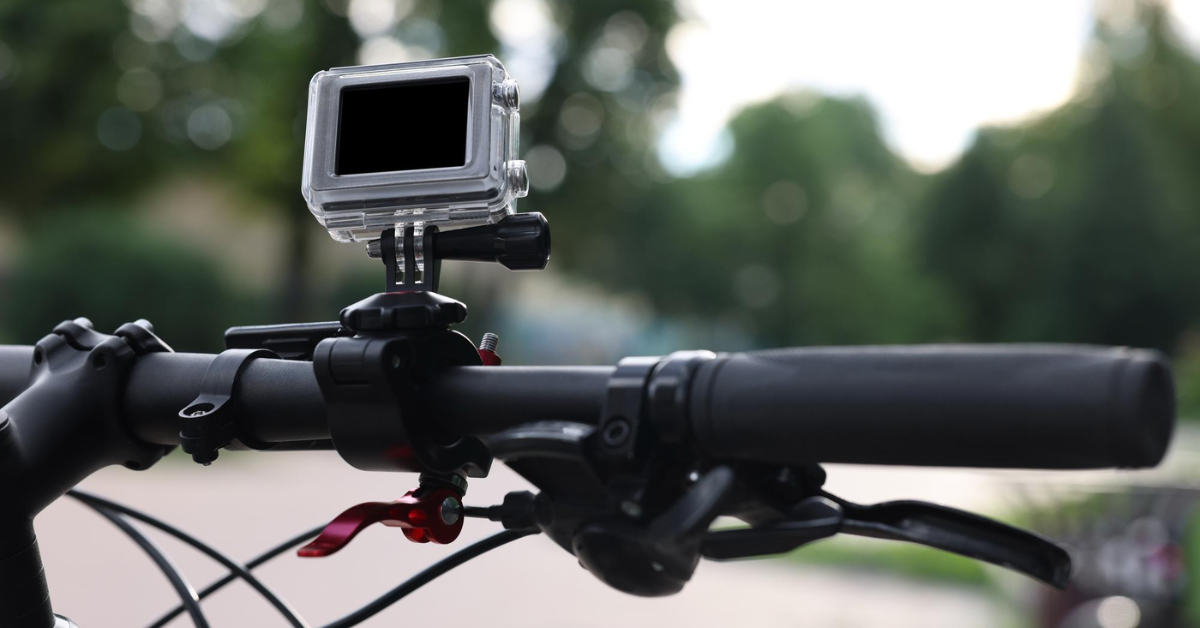
A handlebar camera can provide a steady forward-facing view. This can help document traffic signals, vehicles, road markings, and other details directly ahead.
Rear-Facing Cameras
Rear cameras can be particularly useful when a vehicle approaches from behind. They may capture unsafe passing, tailgating, or a vehicle striking the cyclist from the rear.
360-Degree Cameras
A 360-degree camera can record a wider view around the rider. This may provide more context about what was happening on both sides of the bicycle.
What Makes Video Strong Evidence?
Not every recording has the same value. Clear, complete footage is generally more useful than a short or blurry clip.
Keep the original video file whenever possible. Avoid cutting, filtering, or adding effects to the recording. Original files can help show that the footage has not been changed.
A clear date and time can also help establish when the recording was made. Some cameras include GPS information, which may help confirm the cyclist’s location.
Continuous footage can be especially helpful because it may show what happened before, during, and immediately after the collision.
These qualities can make footage part of the best evidence for bicycle accident claims when combined with other reliable proof.
What Other Evidence Should You Keep?
Video is valuable, but it should not stand alone. A strong claim may include several forms of evidence that support the same account.
Police Reports
A police report may contain information about the crash, statements from people involved, and an officer’s observations.
Medical Records
Medical records can show the injuries caused by the accident and the treatment you received afterward. Keep copies of bills, test results, prescriptions, and follow-up records.
Witness Information
People who saw the accident may provide details that are not visible in the camera footage. Get their names and contact information if possible.
Photos of the Scene
Take pictures of the bicycle, vehicle, road, traffic signs, injuries, and other relevant details. Some conditions can change quickly after a crash.
Bicycle Damage
Keep your damaged bicycle and repair records. Do not throw away damaged equipment before your case has been reviewed.
How Should You Preserve Bike Camera Footage?
Preserving your footage properly is important. First, save the original file on the camera or memory card. Then create a backup in a secure location.
Do not edit the original recording. If you need a shorter clip for viewing, keep the complete original file untouched.
Avoid posting the footage on social media. Public posts can remove important context and may create questions about whether the video was changed.
You can provide the footage to your attorney for review. Thomas F. Forsyth can help determine how the recording may fit into your overall case.
Can Insurance Companies Use Bike Camera Footage?
Yes. Insurance companies may review video when deciding who caused an accident.
When the footage clearly shows another person’s negligence, it can support your position during settlement discussions. It may also make it harder for an insurer to dispute facts that are clearly visible.
However, video can work both ways. If the recording shows that a cyclist ignored a traffic signal or made another unsafe move, the insurer may use that information to argue that the cyclist shares some responsibility.
For this reason, it is wise to understand what your complete footage shows before providing statements about the accident.
What Should You Do After a Bicycle Accident?
Your first priority should be getting medical attention. Once you are safe, preserve your camera footage and other evidence.
Write down what you remember while the details are fresh. Photograph the scene and damage if you are physically able to do so. Collect witness information and keep all medical and repair records.
If the accident caused serious injuries or fault is disputed, consider speaking with a bicycle accident attorney before accepting an insurance settlement.
The Law Offices of Thomas F. Forsyth helps injured cyclists review their evidence and understand their legal options after a crash.
Final Thoughts
Bike camera footage can provide a clear record of an accident and may help answer important questions about fault. It can show driver behavior, traffic violations, road conditions, and the moments leading to a collision.
Still, video is only one part of a claim. Medical records, witness statements, photographs, police reports, and damage records can provide additional support.
Knowing how bike camera footage helps accident claims can help cyclists make better decisions after a crash. Preserve the original recording, keep other evidence safe, and seek legal guidance when the facts or liability are disputed.
Your footage may hold important details about how the crash happened. Contact Thomas F. Forsyth to review the evidence, identify potential issues, and decide how to move forward with your bicycle accident claim.
FAQs
Can bike camera footage prove who caused a bicycle accident?
Yes. Clear footage may show driver actions, traffic violations, road conditions, and other details that help establish who may have caused the collision.
Should I give my bike camera footage to the insurance company?
Consider having an attorney review the complete recording first. Video may support your claim, but it can also reveal facts insurers could use against you.
Can edited bike footage be used as evidence?
Edited footage may still have value, but changes can raise questions about missing context. Always preserve the complete original recording without alterations.
What if my camera only recorded part of the accident?
Partial footage can still help establish events before or after a crash. Other evidence, including witnesses, photos, and medical records, can fill important gaps.
How should I save my bicycle accident video?
Keep the original file, create secure backups, preserve the memory card when possible, and avoid editing or posting the footage publicly before legal review.
Put Your Accident Evidence to Work
Do not leave valuable video footage sitting on a memory card without knowing how it may affect your claim. The Law Offices of Thomas F. Forsyth can review your evidence and help you understand your legal options.