


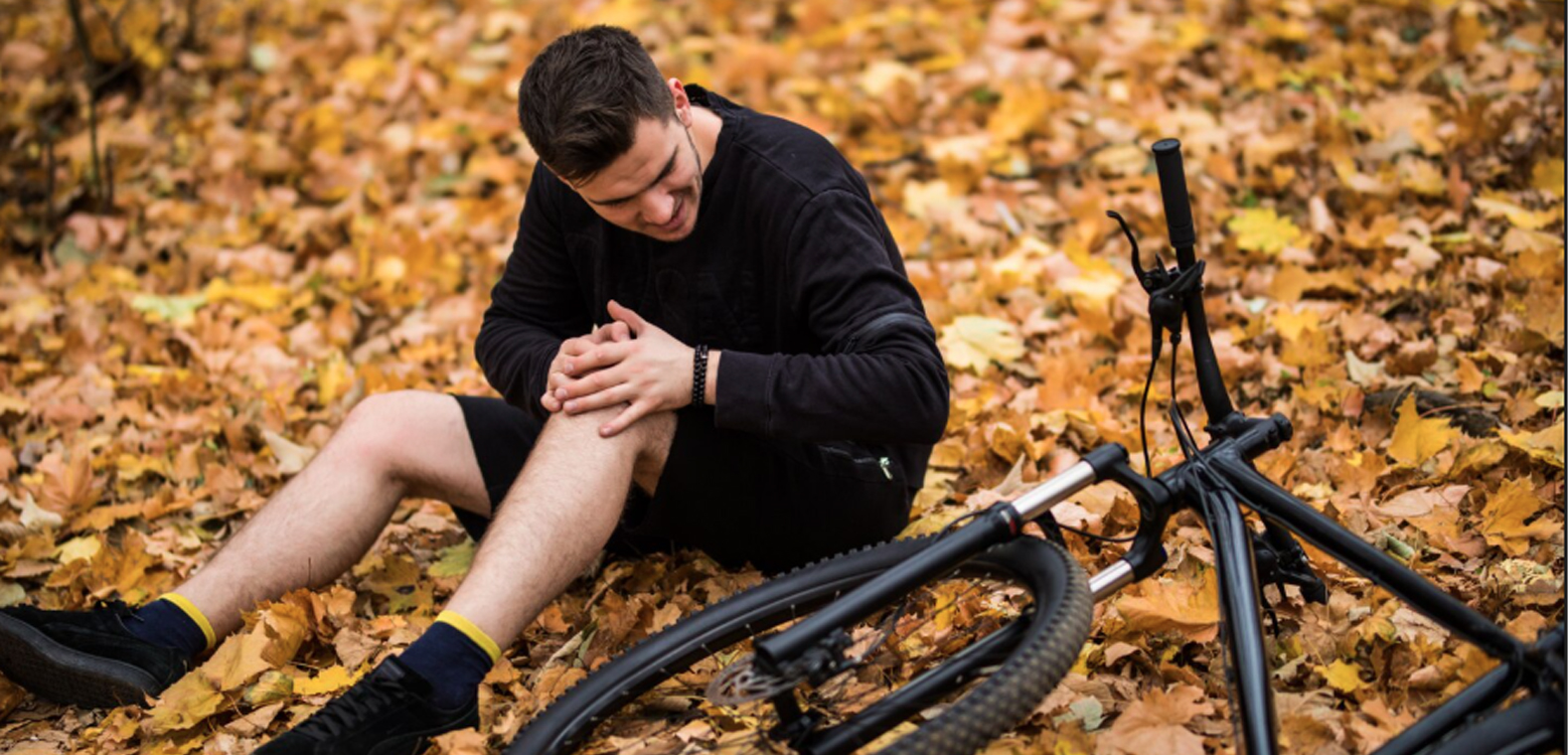
Riding a bike brings freedom. Wind on your face. Streets rolling by. Yet one sudden door swing can flip life upside down. Dooring crashes happen fast and leave riders hurt, shaken, and confused. Many cyclists ask who pays and who holds blame. Laws vary by place, and small details matter. Knowing your rights helps you stay sharp after a crash and protects your future. Issues tied to a premises liability claim in San Jose can surface when doors open from parked cars near storefronts or private property, so awareness matters early.
What exactly is a dooring accident?
A dooring accident occurs when a parked car door opens into a cyclist’s path. The rider slams into the door or swerves and crashes. Injuries range from scrapes to broken bones or worse. These wrecks feel unfair because riders often follow the rules and still get hit.
Dooring often happens in bike lanes next to street parking. It also pops up near cafes, shops, or offices where people step out without looking. One second of carelessness can cause months of pain.
Why do dooring crashes happen so often?
Many drivers and passengers fail to check mirrors. Distractions play a role. Phones buzz. Conversations pull focus. Riders also face tight lanes and poor road design.
Cities pack cars close to bike lanes. Space shrinks. Reaction time drops. Cyclists may ride near doors to avoid traffic, yet risk spikes. It feels like a no-win spot.
Who is usually at fault in a dooring accident?
Fault depends on local law and facts. In many states, the person opening the door must check for traffic. Cyclists hold the right to safe passage.
Drivers, passengers, or vehicle owners may carry blame. If a rider breaks traffic rules, fault can be split. Each case turns on details like speed, lane use, and signals.
Property owners can face issues, too. When a crash links to unsafe parking near businesses or poor layout, a premises liability claim in San Jose may arise. Signs, lighting, and design matter.
Can a passenger be liable instead of the driver?
Yes. Passengers often open doors. The law does not give them a free pass. If a passenger swings a door into a bike lane, liability may rest on them.
Insurance can still apply through the car owner’s policy. Riders should note who opened the door. Names and photos help later.
How do traffic laws protect cyclists?
Traffic codes often require drivers and passengers to ensure doors open safely. Bike lanes exist to keep riders out of car traffic. Laws treat cyclists as road users, not obstacles.
Violations can support claims for damages. Tickets issued at the scene help, but do not decide everything. Civil claims focus on duty and harm.
What injuries are common after dooring crashes?
Dooring injuries hit hard because riders stop fast. Common injuries include:
- Broken wrists or collarbones
- Head injuries or concussions
- Road rash and deep cuts
- Knee or ankle damage
- Back or neck pain
Recovery takes time. Medical bills add up. Missed work adds stress.
How does insurance come into play?
Auto insurance often covers dooring claims. The at-fault party policy may pay medical costs, bike repair, and lost wages. Coverage limits apply.
Health insurance helps first, then seeks repayment later. Some riders also rely on cyclists’ insurance in Pasadena, CA, to cover gaps like bike damage or quick medical care. This extra layer brings peace of mind.
What if the driver claims the cyclist rode too close?
This defense pops up often. Riders must ride safely, yet bike lanes place cyclists near doors by design. Courts look at lane width, speed, and visibility.
If no bike lane exists, cyclists may still ride near parked cars. Riders should keep a safe line when possible. Still, door openers carry a clear duty to look.
Can property owners share responsibility?
Yes, in certain cases. When parking serves a business or apartment, owners must keep the areas safe. Poor design, missing signs, or blocked views raise risk.
A premises liability claim in San Jose may apply if an unsafe layout or neglect contributed to the crash. These claims need proof of control and knowledge of danger.
How should cyclists act right after a dooring accident?
First, get medical help. Health comes first. Then gather facts if able. Photos help. Names help. Witnesses matter.
Call the police to create a report. Avoid arguing at the scene. Keep words simple. Seek care even if the pain feels mild. Injuries hide.
What evidence strengthens a dooring claim?
Strong evidence builds leverage. Useful items include:
- Photos of the car, door, bike lane, and injuries
- Witness names and contact info
- Police report number
- Medical records and bills
- Bike repair estimates
Save clothing and a helmet. Damage tells a story.
How does comparative fault affect recovery?
Some states use shared fault rules. If a rider shares blame, compensation drops by their fault percent. For example, a ten percent fault cuts recovery by ten percent.
Insurance adjusters push this angle. Riders should know their rights. Clear facts limit unfair blame.
Why does timing matter after a crash?
Deadlines apply. Evidence fades. Witnesses forget. Statutes of limitation set firm cutoffs.
Early action helps protect claims tied to premises liability claims in San Jose or auto insurance. Quick steps also reduce stress and surprise.
How do bike lanes and road design affect liability?
Design shapes behavior. Narrow lanes push riders close to doors. Faded paint hides the bike space. Poor signs confuse drivers.
Cities may share fault when the design fails basic safety. These cases need careful review and expert input.
What role does helmet use play in a claim?
Helmet use affects injuries, not fault. Lack of a helmet does not excuse a door opening. Some insurers argue that injury severity relates to helmets. Laws vary.
Wearing a helmet helps health. Claims focus on the crash cause, not gear choices.
Can cyclists recover from emotional distress?
Yes, in many cases. Pain includes mental strain. Fear of riding again counts. Anxiety after a violent crash feels real.
Medical records and counseling notes support these claims. Honest reporting helps.
How does a premises liability attorney help in dooring cases?
Dooring claims can involve drivers, passengers, and property owners. A premises liability attorney reviews all angles. They gather proof, deal with insurers, and push fair value.
This support helps riders focus on healing while someone else handles the fight.
What if the dooring crash involved a rideshare or delivery vehicle?
Rideshare cases add layers. Company policies, driver status, and timing matter. Coverage may shift based on app use.
Delivery vehicles also carry commercial policies. These often offer higher limits but fight hard. Careful review matters.
How do settlements usually get calculated?
Settlements factor in medical costs, lost wages, pain, and future care. Bike repair and gear replacement add value.
Severe injuries raise numbers. Clear liability helps speed talks. Each case stands alone.
What mistakes should cyclists avoid after a dooring crash?
Avoid quick settlements. Avoid recorded statements without advice. Avoid social posts about the crash.
Stick to facts. Keep records. Follow medical advice. Small missteps can cut value.
How does cyclists’ insurance add protection?
Some riders carry cyclists’ insurance in Pasadena, CA, for extra cover. These plans help with bike repair, medical gaps, and legal support.
They work alongside auto and health insurance. This backup eases stress during recovery.
Are dooring laws changing?
Many cities update rules to protect cyclists. Awareness grows. Campaigns promote the Dutch Reach method for opening doors safely.
Change takes time. Riders still need caution and knowledge today.
What questions should cyclists ask before filing a claim?
Ask who opened the door. Ask where the car is parked. Ask if the area connects to private property. Ask about witnesses and cameras.
Answers shape the path forward.
FAQs
Who pays medical bills after a dooring accident?
The at-fault party’s insurance usually pays. Health insurance may cover first, then seek repayment.
Can I file a claim if no police report exists?
Yes. Reports help, yet claims can proceed with other proof, like photos and witnesses.
Does riding outside a bike lane ruin my case?
No. Riders may leave bike lanes for safety. Fault depends on conduct, not lane choice alone.
How long do I have to file a claim?
Deadlines vary by state and claim type. Acting early protects rights.
Can poor lighting near a shop affect liability?
Yes. Poor lighting can support a premises liability claim in San Jose if it raises risk.
Final Thought
Dooring accidents feel sudden and unfair. Knowledge helps restore balance. Cyclists who know the rules, gather proof, and act early stand stronger. Streets grow safer when riders hold others accountable. Stay alert, trust your instincts, and protect your health and rights after any crash.
Call to Action
If a dooring crash turned your life upside down, clear guidance helps. Thomas F. Forsyth offers focused legal insight for injured cyclists facing complex fault issues. A smart review can uncover options tied to auto coverage or property risk. Reach out to learn how to protect your claim and move forward with confidence.
Post Disclaimer
This article is for informational purposes only and does not constitute legal advice. Every case is different. Contact an attorney for advice about your specific situation.