


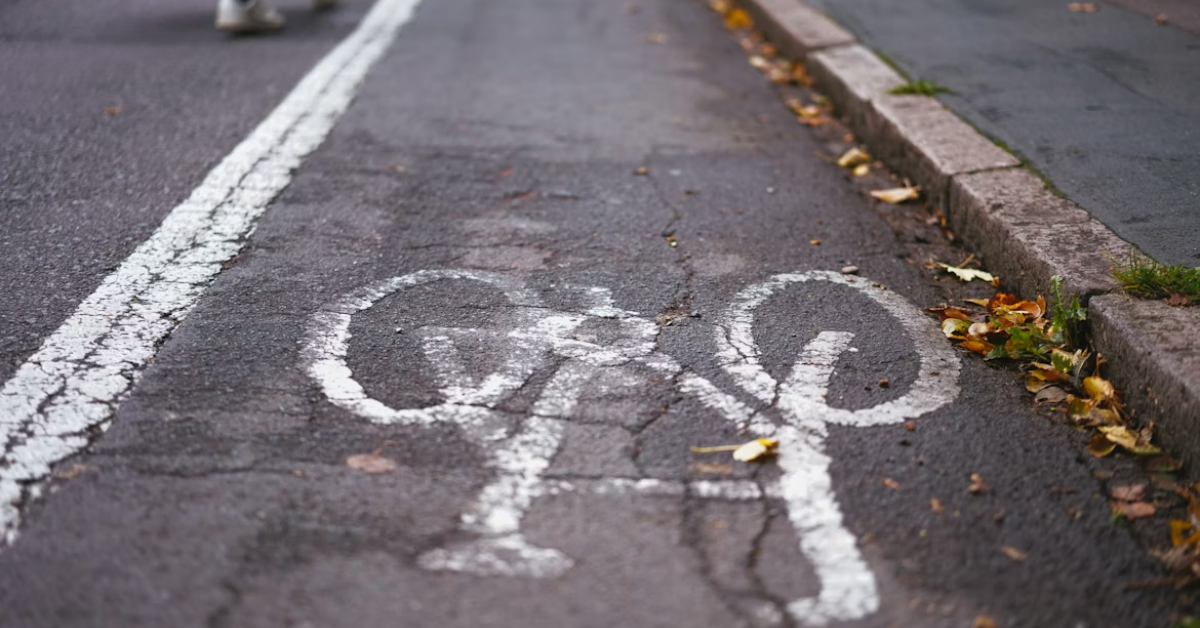
Busy streets, tight turns, and rushed drivers create daily risks for cyclists. Add a poorly planned bike lane, and things can go downhill fast. Riders trust road layouts for safety, but bad design can turn a simple commute into a serious crash. Many people now ask a big question about city liability in bicycle accident cases. Can a local government be held responsible when unsafe lanes lead to harm? Let’s break it down and get real about how design flaws can spark legal trouble for cities.
Understanding municipal responsibility in road design
Cities control road planning, traffic flow, and safety measures. Planners decide where bike lanes go, how wide they are, and how they connect with traffic. When mistakes happen, people get hurt.
This leads to growing concern around municipal liability for road design. If a city fails to build safe infrastructure, injured cyclists may have a valid claim. However, proving fault takes more than just showing a bad road.
Courts often look at whether the city ignored known risks or failed to follow safety standards. If officials knew about hazards and did nothing, liability becomes more likely.
Common design flaws in bike lanes
Not all bike lanes are created equal. Some look fine at first glance but hide serious risks. Poor design often plays a key role in accidents.
Here are some common issues:
- Narrow lanes with no buffer from traffic
- Sudden lane endings with no warning
- Poor visibility at intersections
- Lack of clear markings or signage
- Placement next to parked cars leads to dooring accidents
- Uneven surfaces or potholes left unrepaired
Each of these problems can increase crash risk. When a city fails to fix such issues, legal claims gain strength.
Legal standards cities must follow.
Cities do not have free rein. They must follow safety guidelines set by traffic authorities and engineering standards. These rules exist to protect everyone on the road.
When cities ignore these standards, courts may view it as negligence. Still, not every accident leads to liability. Governments often have legal protections, which can make cases tricky.
In many regions, injured parties must prove:
- The city had a duty to maintain safe roads
- Officials failed to meet accepted standards
- The failure caused the accident
- The victim suffered real harm
Without these elements, claims may fall apart.
Can design flaws directly cause accidents?
Yes, and it happens more often than people think. A poorly placed bike lane can force riders into traffic. A hidden turn can confuse drivers and cyclists alike.
For example, if a lane suddenly disappears near a busy junction, riders may panic. This split-second moment can lead to collisions. In such cases, the design itself becomes a key factor.
This raises the big question: Can you sue a city for unsafe bike lanes? The answer depends on evidence, but many cases have moved forward when the design clearly contributed to the crash.
Government immunity and its limits
Cities often rely on legal shields known as sovereign immunity. These laws protect public bodies from certain lawsuits. But here’s the catch. Immunity is not absolute.
If a city shows gross negligence or ignores known dangers, courts may allow claims. For instance, repeated complaints about a dangerous lane can weaken immunity defenses.
Timing also matters. Many jurisdictions require claims to be filed within strict deadlines. Miss those, and even a strong case may fail.
Role of evidence in liability claims
Evidence makes or breaks a case. Strong proof helps show how poor design caused the accident.
Key types of evidence include:
- Photos of the accident site
- Traffic camera footage
- Witness statements
- Maintenance records
- Prior complaints about the area
Expert opinions also play a big role. Traffic engineers can explain how a design flaw led to the crash. This adds weight to claims tied to municipal liability road design.
How courts evaluate these cases
Courts take a close look at several factors. They want to see a clear link between the road design and the injury.
Judges often ask:
- Was the design unsafe by accepted standards?
- Did the city know about the issue?
- Could the accident have been avoided with better planning?
If answers point toward negligence, liability becomes more likely. Still, each case stands on its own facts.
Preventive steps cities should take
Cities can avoid legal trouble by focusing on safety from the start. Smart planning goes a long way.
Effective measures include:
- Conducting regular safety audits
- Responding quickly to complaints
- Updating outdated infrastructure
- Following modern design standards
- Adding protective barriers where needed
When cities act early, they reduce both accidents and legal risk tied to city liability bicycle accident claims.
Final Thought
Bike lanes should protect riders, not put them at risk. Poor design can lead to serious harm and raise tough legal questions. Cities must stay alert and act with care. When they fail, the law may step in. Understanding your rights and how liability works can help you take the right steps after an accident.
FAQs
Can you sue a city for a bicycle accident?
Yes, if poor road design or lack of maintenance caused the accident. You must prove negligence and follow local claim rules.
What is municipal liability in road design?
It refers to a city’s legal responsibility for unsafe road planning or failure to fix known hazards.
How do I prove a bike lane caused my accident?
Use photos, witness accounts, and expert opinions. These help show how design flaws led to the crash.
Are cities always responsible for bike accidents?
No, liability depends on proof of negligence. Other factors, like rider behavior, may also affect the case.
What should I do after a bike accident in a city lane?
Seek medical help, document the scene, and consult a legal expert to understand your options.
Take the Next Step
If a poorly designed bike lane led to your injury, you deserve clear answers and strong support. Connect with Thomas F. Forsyth for guidance on your case. Get a proper review, understand your rights, and move forward with confidence. A safer path starts with the right legal help.
Post Disclaimer
This article is for informational purposes only and does not constitute legal advice. Every case is different. Contact an attorney for advice about your specific situation.