


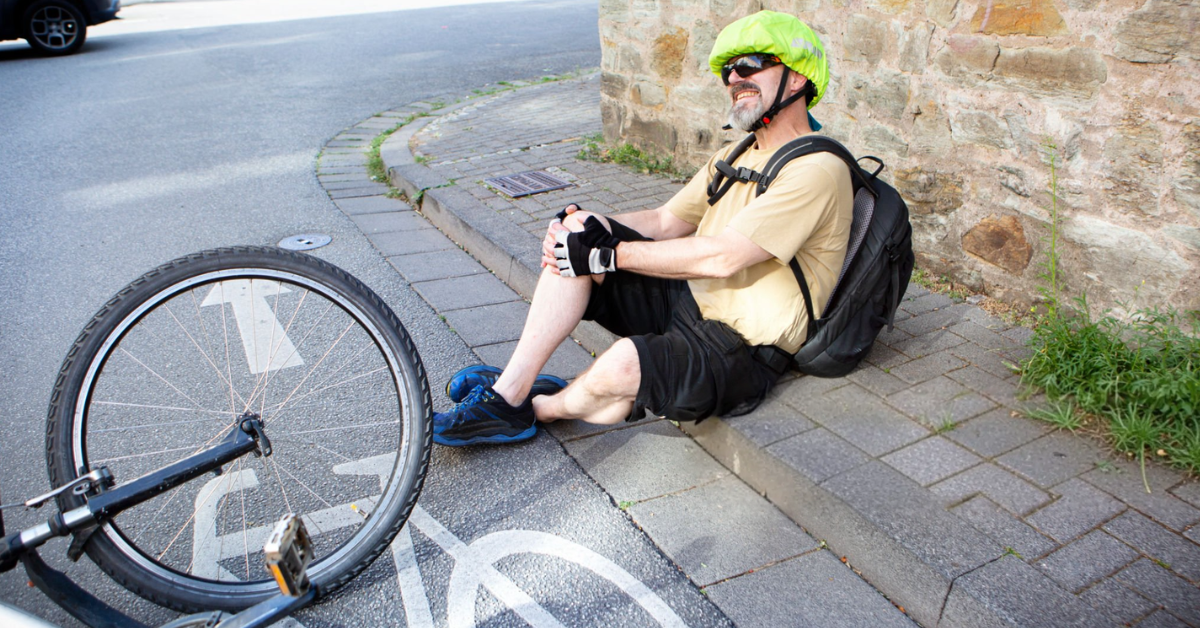
Busy roads, packed traffic, and rushed drivers create real danger for cyclists across California. A single wrong move can turn a calm ride into a painful crash. A bicycle lane accident in California often leaves victims with medical bills, lost income, and stress many people never expect. Cyclists face risk each day from distracted drivers, unsafe lane changes, and blocked bike lanes. Still, fault does not always fall on one side. State traffic rules, road behavior, and driver choices all play a huge role in deciding who carries legal blame after a collision.
Common Causes Behind Bicycle Lane Collisions
Many crashes happen because drivers fail to check blind spots or rush through traffic. Some people treat bike lanes like extra road space. Sadly, one careless choice can change a life fast.
Here are several common causes linked to bike lane crashes:
- Distracted driving from phones or GPS use
- Unsafe right turns across bike lanes
- Speeding near cyclists
- Drivers opening car doors into riders
- Illegal parking inside bike lanes
- Failure to yield at intersections
- Poor visibility during night driving
A driver entering a bike lane accident often occurs during heavy traffic or quick turns. Drivers may believe no cyclists sit nearby, yet riders can appear within seconds.
California Traffic Rules Drivers Must Follow
State law protects cyclists in several ways. Drivers must share the road safely and respect marked bike lanes. Many people fail to understand the full scope of California laws for drivers in bike lanes. Ignoring these rules can increase liability after a crash.
Drivers cannot block bike lanes unless traffic conditions require a brief entry. Even then, caution matters. California also requires drivers to provide enough space while passing cyclists. Unsafe passing often leads to side impact injuries and broken bones.
Under state law, motorists must:
- Yield before crossing bike lanes
- Check mirrors and blind spots before turning
- Avoid parking in bike lanes
- Leave a safe passing distance for cyclists
- Stay alert near intersections and schools
Courts often review whether a driver ignored traffic duties before assigning fault.
Evidence Used to Prove Fault
Strong evidence helps determine what happened during a bike lane collision. Police reports, witness statements, and photos often shape legal outcomes.
Important evidence may include:
- Traffic camera footage
- Vehicle damage photos
- Medical records
- Eyewitness accounts
- Helmet camera video
- Road markings and skid patterns
- Cell phone records showing distraction
After a driver entered a bike lane accident, investigators may study whether the driver used signals or checked mirrors before moving into the lane.
Cyclists should seek medical care quickly after a crash. Fast treatment creates records linking injuries to the collision.
Injuries Often Seen in Bike Lane Crashes
Bike lane accidents can cause severe physical harm because cyclists lack protection. Even low-speed crashes may leave lasting injuries.
Common injuries include:
- Broken wrists and arms
- Head trauma
- Neck injuries
- Back pain
- Facial injuries
- Knee damage
- Road rash and cuts
Recovery often takes weeks or months. Some victims lose income during healing. Others face ongoing therapy or surgery.
Insurance Problems After Bicycle Accidents
Insurance claims after bicycle crashes often become frustrating. Adjusters may question injuries or attempt quick settlements. Some drivers even deny fault completely.
Cyclists should avoid giving recorded statements too early. Insurance companies look for comments they can use against victims later. Clear evidence and legal support often improve claim outcomes.
A bicycle lane accident in California may involve several insurance policies. Auto coverage, uninsured motorist protection, or homeowner policies may apply depending on the crash details.
Safety Habits Every Cyclist Should Follow
Even cautious riders face danger, yet safe habits lower risk on busy roads.
Cyclists should:
- Wear bright clothing at night
- Use front and rear lights
- Stay alert near parked cars
- Avoid sudden lane changes
- Use hand signals before turns
- Watch for turning vehicles at intersections
Drivers and cyclists both share road responsibility. Better awareness can prevent many painful crashes.
Legal Support After a Serious Crash
Bike accident claims often involve more than simple property damage. Victims may deal with surgery costs, missed work, emotional stress, and long recovery periods. Legal guidance helps injured cyclists understand their rights and next steps.
The team at Thomas F. Forsyth helps injured victims pursue fair compensation after serious bicycle collisions. Skilled legal support can make the process less stressful while protecting important evidence and negotiating with insurance companies.
FAQs
Who has the right of way in a bike lane in California?
Cyclists usually hold the right of way inside marked bike lanes. Drivers must check carefully before crossing or turning through these lanes.
Can a driver enter a bike lane in California?
Drivers may enter briefly for parking, turns, or traffic conditions. Still, they must do so safely and yield to cyclists already using the lane.
What should I do after a bicycle lane crash?
Seek medical help, call the police, take photos, gather witness details, and avoid discussing fault at the scene.
Can cyclists recover damages if partly at fault?
Yes. California follows comparative negligence rules. Cyclists may still recover compensation even if they share partial blame.
Are bike lane accidents common in California?
Yes. Heavy traffic, distracted driving, and unsafe turns contribute to many crashes involving cyclists across the state.
Final Thought
Bike lanes exist to improve safety, yet crashes still happen every day across California. Drivers who ignore traffic rules place cyclists at serious risk. At the same time, riders must stay alert and follow road laws carefully. Understanding fault after a collision can feel confusing, especially during recovery. Strong evidence, medical records, and legal guidance often play a major role in protecting injured cyclists and helping them move forward with confidence.