


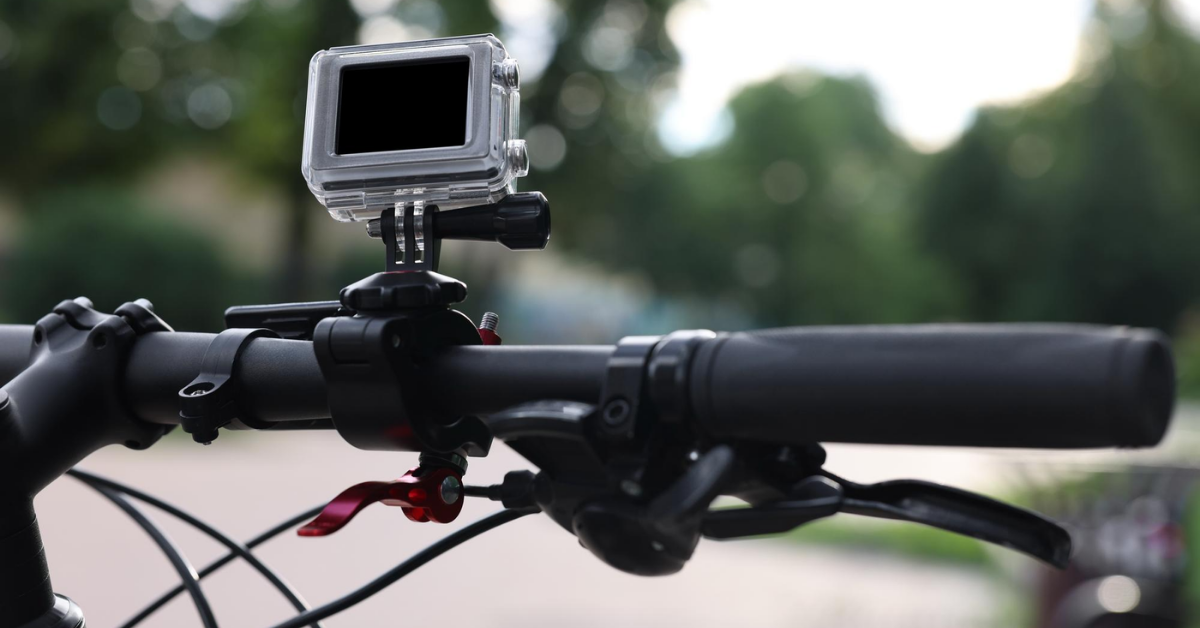
A bicycle crash can happen in a matter of seconds. Afterward, the cyclist and driver may remember the event differently. This is where video can make a big difference. Dashcam footage of a bicycle accident can show what a driver was doing before and during a collision. Likewise, a helmet camera may capture the cyclist’s view of the road. Video does not automatically prove who was at fault. However, clear footage can provide useful details that may support a bicycle accident claim.
Why Video Can Be Valuable After a Bike Crash
People may forget small details after a stressful accident. Witnesses may also see only part of what happened. Video can provide a visual record of events. Depending on the camera and recording angle, footage may show traffic signals, road signs, vehicle speed, lane positions, turns, and actions taken just before the crash. A recording might show a driver turning across a bike lane without yielding. In another case, it may show a cyclist approaching an intersection and the movement of nearby vehicles. These details can help provide a clearer picture of the accident.
How Dashcam Footage May Help
Many vehicles have dashboard cameras that record the road ahead. A driver involved in a crash may have footage showing the seconds before the collision. Other vehicles nearby may also have dashcams. If a witness’s car captured the accident, that recording could become useful evidence.
Dashcam footage of bicycle accident recordings may help answer questions such as:
- Where were the cyclist and vehicle before the crash?
- Did the driver change lanes or make a turn?
- Was a traffic signal or stop sign involved?
- Did another vehicle block either person’s view?
- What happened immediately before impact?
The value of the footage depends on its quality, timing, and what it actually shows.
What Helmet Camera Footage Can Show
Cyclists who use helmet cameras can sometimes capture a crash from their own viewpoint. The recording may show the road ahead, nearby vehicles, traffic signals, and sounds around the cyclist.
Helmet camera footage of bike accident recordings may also capture what happened just before impact. This can be helpful when there are questions about a driver’s actions or the cyclist’s position on the road. However, camera footage should be kept in its original form. Avoid editing or changing the recording. The original file may contain information that helps show when and how it was recorded.
Can Video Show Who Was at Fault?
Video may help answer important questions, but it does not always tell the whole story. A camera may have a limited view or miss something happening outside the frame. For that reason, video is usually considered along with other evidence. Police reports, photographs, witness statements, medical records, road conditions, and vehicle damage may also help explain the accident.
A bicycle accident video evidence review can help connect the recording with other facts from the crash.
What Should You Do With Camera Footage After a Crash?
If you have footage of the accident, save the original file as soon as possible. Make a backup so the recording is not lost if your camera or memory card is damaged.
It can also help to note the date, time, location, and camera used to make the recording. Keep the memory card or original storage device when possible.
If another person or business may have captured the crash, try to identify the camera location. Security systems may erase older recordings after a set period, so acting quickly may help preserve potentially useful footage.
How a Lawyer Can Review Video Evidence
Video often works best when viewed alongside the rest of the accident evidence. A lawyer can review the footage and compare it with photographs, witness accounts, police records, and other information.
The Law Offices of Thomas F. Forsyth, operated by bicycle accident attorney Thomas F. Forsyth, handles bicycle accident cases and can help cyclists understand how available evidence may relate to their claims.
A bicycle accident video evidence review may also reveal questions that need further investigation, such as whether another camera captured a different angle of the collision.
FAQs
Can dashcam footage prove a driver caused my bicycle accident?
It may provide useful evidence about the driver’s actions, but responsibility depends on the full facts of the crash and what the recording actually shows.
Is helmet camera footage useful after a bike accident?
Yes. Helmet footage can show the cyclist’s view, nearby traffic, road conditions, and events leading up to the collision.
Should I edit my bicycle accident video?
It is better to preserve the original recording. Keep an unchanged copy and avoid altering the file before it is reviewed.
What if another car recorded my accident?
Try to identify the vehicle and its owner if possible. A lawyer may also help determine whether the recording can be obtained and preserved.
Can video be used with other accident evidence?
Yes. Video can be reviewed alongside photos, witness accounts, police reports, medical records, and property damage information.
Do Not Let Useful Footage Disappear
Camera recordings can be overwritten or deleted, especially when they come from vehicle or security systems. Preserve your footage and note where other possible recordings may exist soon after the crash.
Put the Video in Context
A recording is only one part of a bicycle accident claim. The Law Offices of Thomas F. Forsyth can review available footage and other records to help you understand what the evidence may show.
Review Your Evidence Before Making Key Decisions
Do not assume that a short video clip tells the entire story. Preserving the full recording and reviewing it with the other accident details can help you make informed decisions about your legal options.
Post Disclaimer
This article is for informational purposes only and does not constitute legal advice. Every case is different. Contact an attorney for advice about your specific situation.