


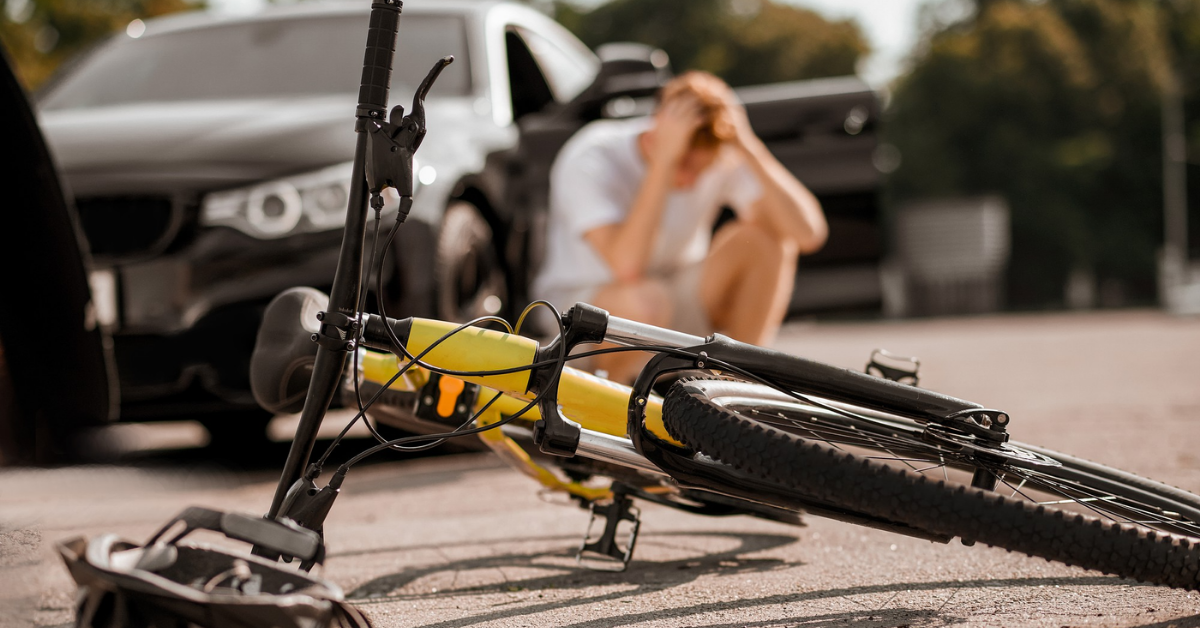
A bicycle crash can happen in seconds, but the details surrounding it can become important later. Photos, videos, witness information, medical records, and other details can help explain what happened and who may be responsible. Collecting bicycle accident evidence in California as soon as possible can make it easier to build a clear record of the crash.
Evidence can also help show the injuries and losses caused by the accident. Even small details may matter, so cyclists should preserve as much useful information as they safely can after a crash.
Start With Photos and Videos of the Crash Scene
The accident scene may change quickly. Vehicles may be moved, road debris may be cleared, and damaged property may be repaired. That is why photos and videos can be useful soon after the crash.
If possible, take pictures of the following:
- The bicycle and any damage
- The vehicle involved and its damage
- Road signs and traffic signals
- Bike lanes and lane markings
- Potholes, cracks, debris, or other road hazards
- Visible injuries
- The wider area around the crash
Try to capture both close-up pictures and wider shots. This can help show not only the damage but also where everything was located.
Collect Information From Witnesses
People who saw the crash may remember details that are not clear from photographs. A witness might have seen a driver run a red light, turn without looking, or make an unsafe move near a cyclist.
Ask witnesses for their names and contact information if they are willing to provide it. Do not pressure anyone. Simply having their information may allow their account to be checked later.
Witness information can become useful bicycle accident claim evidence when the people involved give different accounts of what happened.
Keep Police and Accident Reports
If police respond to the crash, ask how you can obtain a copy of the report. It may contain information about the people involved, location, statements, and other details recorded at the scene.
However, a police report is only one piece of evidence. It does not always include everything a cyclist may need to prove a claim. Other records, photos, videos, and witness accounts can provide additional details.
Save Your Medical Records and Bills
Medical records can help show the connection between the accident and your injuries. Keep copies of doctor records, hospital bills, prescriptions, therapy records, and other treatment information.
It is also helpful to keep a record of appointments and expenses related to the crash. If an injury keeps you away from work, save documents showing missed work and lost income.
Together, these records can provide a clear picture of how the accident affected you.
Look for Available Camera Footage
A nearby camera may have captured the crash even if you did not have a camera yourself. Possible sources include traffic cameras, security cameras, business cameras, dashcams, and bicycle or helmet cameras.
Video can sometimes show what happened just before, during, and after the collision. However, many camera systems automatically delete old recordings. For that reason, identifying possible video sources early can be important.
Preserve Your Bicycle and Damaged Items
Do not throw away or repair damaged equipment before documenting it, especially if the damage may be important to the claim. Take clear photographs of your bicycle, helmet, clothing, and other damaged items.
Keep repair estimates, receipts, and replacement information when available. These records can help show the financial loss caused by the crash. Your bicycle may also contain useful information about the collision. Depending on the circumstances, its condition could help explain how the crash happened.
Keep a Personal Record of What Happened
Writing down your memories soon after the accident can help preserve details that may fade over time. Note the date, time, location, weather, road conditions, traffic, and what happened immediately before the crash. You can also record how your injuries affect daily activities, work, transportation, and other parts of your routine. This type of bicycle accident documentation can provide a useful timeline when reviewing the claim later.
How a Bicycle Accident Lawyer Can Help Review Evidence
Collecting evidence is one thing. Knowing how different pieces fit together is another. A lawyer can review photographs, reports, medical records, witness information, and video to help create a clearer picture of the accident.
The Law Offices of Thomas F. Forsyth, operated by bicycle accident attorney Thomas F. Forsyth, handles bicycle accident matters and can help injured cyclists understand what information may support their legal claims.
A bicycle accident claim evidence review can also help identify missing information before important records become harder to obtain.
Protect the Details That Support Your Claim
Do not rely on memory alone after a serious bicycle accident. Preserve photographs, witness information, medical records, videos, and other documents while the details are still fresh. The Law Offices of Thomas F. Forsyth can help you understand how these records may fit into your legal claim.
FAQs
What is the most important evidence after a bicycle accident?
Photos, videos, witness information, medical records, police reports, and damage records can all help establish what happened and the losses caused by the accident.
Should I take pictures of the road after a bicycle crash?
Yes. Photos can show road conditions, signs, lane markings, debris, vehicle positions, and other details that may change shortly after the accident.
How long should I keep bicycle accident records?
Keep accident-related records in a safe place for as long as your claim or legal matter remains active. Your lawyer can explain what should be preserved.
Can video footage help my bicycle accident claim?
Yes. Traffic, security, dashcam, or bicycle-camera footage may show important details about the crash, including vehicle movements and road conditions.
What if I could not collect evidence at the accident scene?
You can still gather useful records later. Medical documents, witness information, photographs, repair records, and available video may help support your claim.
Keep Your Evidence Organized
Strong evidence does not always come from one source. Instead, several records may work together to explain the crash and show how it affected you. Keep photographs, reports, medical records, bills, and other documents together so they are easy to review.
The sooner important information is preserved, the less likely it is that useful details will be lost.
Know What Your Evidence Can Show
A bicycle accident claim can involve questions about fault, injuries, property damage, and financial losses. Reviewing the available evidence with Thomas F. Forsyth can help you understand what information matters and what steps you may consider next.
Post Disclaimer
This article is for informational purposes only and does not constitute legal advice. Every case is different. Contact an attorney for advice about your specific situation.