


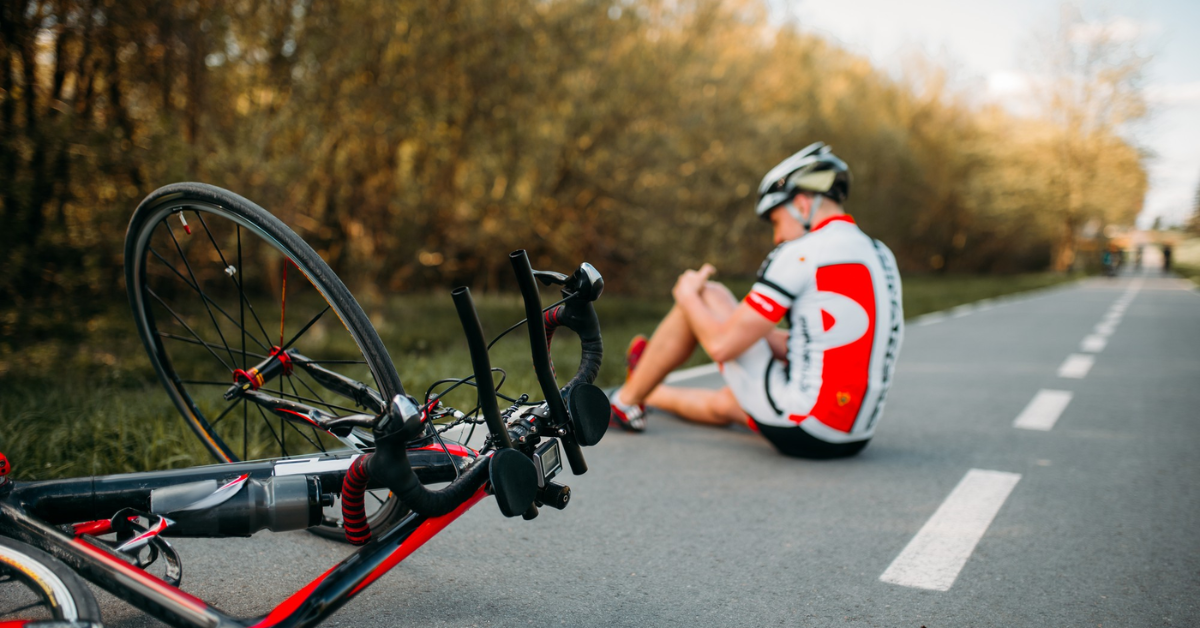
A crash between a cyclist and a commercial delivery vehicle can be more complicated than a typical bicycle accident. The driver, delivery company, vehicle owner, or insurance company may all become part of the case, depending on what caused the collision. The driver’s actions, employment status, company policies, insurance coverage, and available evidence can all affect a cyclist’s claim.
For an injured cyclist, knowing what to do after the crash and how to preserve evidence can make a big difference.
What Should a Cyclist Do Immediately After a Delivery Vehicle Accident?
Your first priority is safety. If you can move without making your injuries worse, get away from traffic and find a safe place to wait for help.
Call 911 when the accident causes injuries or significant property damage. Seek medical attention even if you initially think your injuries are minor. Some injuries may not be obvious right away.
If possible, take photos and videos of the accident scene. Capture your bicycle, the delivery vehicle, road conditions, traffic signs, visible injuries, and any damage. Also, write down the driver’s name, contact details, insurance information, company name, and vehicle information.
Look for people who witnessed the collision and ask for their contact information. Their accounts may become useful later.
Finally, keep your damaged bicycle, helmet, clothing, and other equipment. Do not make statements accepting blame or guessing about what caused the accident.
Who May Be Liable When a Delivery Vehicle Hits a Cyclist?
Liability in a delivery vehicle crash depends on what caused the collision and who was responsible for the unsafe conduct. In some cases, the driver may be at fault. In others, the delivery company, vehicle owner, maintenance provider, or another party may also have a role. A careful review of the accident is needed before deciding who may be legally responsible.
The Delivery Driver
A delivery driver has a duty to operate the vehicle safely and follow traffic laws. Because delivery drivers often make frequent stops and travel through busy areas, mistakes behind the wheel can create serious risks for cyclists.
Distracted driving can happen when a driver looks at a phone, checks delivery instructions, uses a navigation system, eats, or focuses on something inside the vehicle instead of watching the road. Even a few seconds of distraction can cause a driver to miss a cyclist approaching an intersection or traveling alongside the vehicle.
Failure to yield is another common cause of crashes. A driver may turn across a cyclist’s path, enter an intersection without giving the cyclist the required right of way, or pull away from a curb without checking for nearby riders. These actions can leave a cyclist with little time to react.
Speeding can make a delivery vehicle especially dangerous. A faster vehicle needs more time and distance to stop. Speed can also make the impact more severe when a cyclist is struck. Investigators may look at the roadway, traffic conditions, vehicle data, witness accounts, and other evidence when considering whether speed played a role.
Unsafe turns can create another serious hazard. Large delivery vehicles may have blind spots that make it harder for drivers to see cyclists. A driver making a right or left turn should watch carefully for cyclists who may be traveling through the intersection or along the side of the road.
Running a red light or stop sign can put cyclists directly in the path of a vehicle. Traffic signals and stop signs are designed to control the movement of road users. When a driver ignores them, the resulting crash may provide strong evidence of negligence, depending on the circumstances.
Improper lane changes can also cause bicycle crashes. A driver may move into a cyclist’s lane without checking the surrounding area or fail to leave enough space while passing. Delivery vehicles can be especially difficult for cyclists to avoid because of their size and limited visibility around the vehicle.
The Delivery Company or Employer
The delivery company may also have legal responsibility in some cases. For example, if the driver was performing work duties when the crash occurred, California law may allow a claim against the employer based on the driver’s conduct.
A company may also face separate questions about how it hired, trained, or supervised the driver. Problems with driver screening, safety training, or company practices could become relevant when investigating the accident.
However, not every delivery driver is an employee. Some companies use independent contractors or third-party delivery services. That distinction can affect who may be legally responsible, which is why the working relationship should be examined carefully.
The Vehicle Owner or Other Responsible Party
The company shown on the side of a delivery vehicle may not always be its owner. A vehicle could be leased, rented, or owned by another business.
Maintenance problems may also contribute to a crash. For example, defective brakes or worn tires could make it harder for a driver to stop safely. If a mechanical problem played a role, another party responsible for maintaining or repairing the vehicle may need to be considered.
How Is Fault Determined in a Delivery Vehicle and Cyclist Crash?
Fault is usually determined by examining the available evidence and comparing it with the circumstances of the collision. No single piece of evidence necessarily tells the whole story. Instead, investigators and attorneys may put several pieces together to understand what happened before, during, and after the crash.
Police Reports
A police report may contain information about the location of the accident, statements from the people involved, witness accounts, traffic conditions, and observations made by officers. It can provide an early record of the collision, although it is only one part of the overall evidence.
Witness Statements
People who saw the accident may provide important details about what the driver and cyclist were doing before impact. A witness might have seen a driver looking at a phone, turning without yielding, running a traffic signal, or moving into a bicycle lane.
Witness memories can become less clear as time passes. For that reason, getting accurate contact information soon after the crash can be valuable.
Traffic and Dashcam Footage
Traffic cameras, security cameras, helmet cameras, bicycle cameras, and dashcams may capture the collision or events leading up to it. Video can sometimes show vehicle speed, lane position, traffic signals, passing distance, and driver behavior.
However, video recordings are not always kept for long periods. Some systems automatically record over older footage, so identifying and preserving useful recordings can be important.
Vehicle Telematics and GPS Data
Commercial delivery vehicles may have electronic systems that record information about the vehicle’s movement. Depending on the vehicle and system, this data could provide information about location, speed, braking, or travel patterns.
The availability and usefulness of this information will vary. It may also be held by the delivery company or another entity, making early identification of relevant records important.
Driver and Company Records
Records connected to the driver and delivery business may also provide useful information. These could include delivery schedules, work assignments, training records, vehicle maintenance records, or other business documents.
Such records may help establish whether the driver was working at the time of the crash or whether company practices contributed to the accident.
Accident Reconstruction
For serious or disputed crashes, accident reconstruction may help explain how the collision happened. An expert may review photographs, vehicle damage, road conditions, measurements, video, and other information to develop an understanding of the vehicles’ movements.
This can be particularly useful when the driver and cyclist give different accounts of what happened.
Medical Records
Medical records do more than document treatment. They can connect the injuries to the crash and show the type of care the cyclist needed afterward.
Records may include emergency treatment, follow-up visits, diagnostic testing, therapy, and other accident-related care. They can also help establish the extent of the cyclist’s injuries when compensation is being considered.
Photographs and Physical Evidence
Photos of the road, bicycle, delivery vehicle, traffic signs, lane markings, and visible injuries can help preserve details that may change later. Damage to the bicycle and vehicle may also provide clues about the point and force of impact.
For that reason, cyclists should avoid throwing away damaged equipment after a serious crash. The bicycle, helmet, clothing, and other items may become useful evidence.
Putting the Evidence Together
Ultimately, determining fault requires looking at the evidence as a whole. A witness statement may support what appears in a camera recording. Vehicle damage may help confirm how the collision occurred. Medical records may then document the injuries that followed.
That is why cyclists should not assume that fault is obvious simply because the other vehicle was larger or because the driver immediately blamed the cyclist. A detailed review can reveal important facts that may otherwise be overlooked.
Does Commercial Insurance Cover a Cyclist Injured by a Delivery Vehicle?
A delivery vehicle may be covered by a commercial auto insurance policy rather than an ordinary personal auto policy. However, coverage depends on the vehicle, business, policy terms, driver, and circumstances of the accident.
In some cases, the employer may have insurance that applies to the vehicle or driver’s work activities. In other situations, different policies may need to be examined.
Policy limits also matter. A serious bicycle accident can involve substantial medical costs and other losses. Knowing which insurance policies may apply can help determine where a claim should be presented.
Because commercial insurance claims can involve additional questions, injured cyclists should be careful before accepting an early settlement or giving a recorded statement.
What Compensation Can an Injured Cyclist Potentially Recover?
When another party is responsible for a bicycle accident, an injured cyclist may be able to seek compensation for different types of losses.
Medical Expenses
This can include emergency care, doctor visits, tests, medication, physical therapy, and other accident-related treatment.
Future Medical Treatment
Some injuries may require continued care. Future medical needs can be considered when supported by appropriate evidence.
Lost Wages
If injuries prevent you from working, you may be able to seek compensation for income lost because of the accident.
Reduced Earning Capacity
A serious injury may affect your ability to earn the same income in the future. Depending on the circumstances, reduced earning ability may be part of a claim.
Property Damage
Your bicycle and other cycling equipment may be damaged or destroyed. Keep repair estimates, receipts, photographs, and other records related to the damage.
Pain and Suffering
California law may also allow compensation for certain non-economic losses, including physical pain and emotional harm. The amount depends on the specific facts of the case.
What If the Insurance Company Says the Cyclist Was at Fault?
It is not unusual for an insurance company to question who caused a bicycle accident. The insurer may claim that the cyclist moved into traffic, failed to yield, ignored a signal, or otherwise contributed to the crash.
That does not automatically end the claim.
California follows a comparative negligence system. If an injured cyclist is found partly responsible, their compensation may be reduced based on their share of fault rather than automatically eliminated.
For example, if a cyclist is found partly responsible for an accident, the amount they can recover may be reduced according to the percentage of fault assigned to them.
This makes evidence especially important. Camera footage, witness accounts, traffic signals, vehicle damage, and other records can help provide a clearer picture of what happened.
What Evidence Should an Injured Cyclist Preserve?
After a crash, keep as much useful information as possible. A simple evidence checklist includes:
- Photos and videos of the accident scene
- Police report information
- Medical records
- Medical and other accident-related bills
- Bicycle and equipment
- Helmet and clothing
- Witness names and contact information
- Driver and company information
- Insurance correspondence
- Vehicle photographs
- Repair estimates
- Records of lost work or income
Do not throw away damaged equipment just because it seems unusable. Your bicycle, helmet, and clothing may provide useful information about the crash.
Also, save original camera recordings. If you have helmet or bike camera footage, keep the original file and make a backup.
How Long Does a Cyclist Have to File a Claim?
The time limit depends on the state where the accident occurred, the type of claim, and the parties involved. California has specific deadlines for personal injury lawsuits, while claims involving government entities can have different and often shorter requirements.
An insurance claim also is not necessarily the same as filing a lawsuit. Speaking with an insurance company or starting settlement discussions does not automatically extend a court filing deadline.
Because missing a deadline can affect your right to pursue a claim, it is best to determine the applicable deadline early rather than waiting until the last minute.
When Should a Cyclist Speak With a Personal Injury Attorney?
You do not have to wait until an insurance company denies your claim before seeking legal advice.
Speaking with an attorney can be particularly useful when:
- You suffered serious injuries.
- Your injuries may affect your ability to work.
- The driver disputes fault.
- A delivery company is involved.
- Commercial insurance coverage is involved.
- More than one party may be responsible.
- The insurance company is pressuring you to settle.
- Medical expenses are significant.
- Important evidence may be difficult to obtain.
Thomas F. Forsyth focuses on bicycle accident cases and can review the facts surrounding a collision involving a commercial vehicle. The Law Offices of Thomas F. Forsyth can also help identify the parties and evidence that may matter to the claim.
What Makes Commercial Vehicle Bicycle Accidents Different?
A delivery vehicle accident can involve more moving parts than a crash involving a private driver.
Commercial insurance: The vehicle may be covered by a business policy with different terms and limits.
Employer involvement: The driver’s employer may become part of the claim depending on the driver’s work status and actions.
Company records: Delivery companies may have records relating to routes, schedules, vehicle maintenance, or driver activity.
Driver employment status: It may matter whether the driver was an employee, contractor, or working for another business.
Multiple parties: The driver, employer, vehicle owner, maintenance provider, or another party could potentially be involved depending on the facts.
These issues can make early investigation important. The right information may not be available to an injured cyclist without requesting it from the people or businesses that possess it.
Key Takeaways
- A delivery vehicle accident can involve more than the driver.
- The delivery company or vehicle owner may potentially share responsibility.
- Preserve photos, videos, medical records, damaged equipment, and witness information.
- Commercial insurance may provide coverage, but the applicable policy must be reviewed.
- Comparative fault can affect how much compensation an injured cyclist may recover.
- Legal deadlines vary, so do not wait to learn which rules apply to your case.
FAQs
What happens if a delivery truck hits a cyclist?
The cyclist should seek medical care, report the crash, preserve evidence, and identify the driver and company. Liability and insurance coverage then need to be reviewed.
Who is responsible if a delivery driver hits a bicyclist?
Responsibility depends on the facts. The driver, employer, vehicle owner, maintenance provider, or another party may potentially share responsibility.
Can I sue a delivery company if its driver hits me on my bicycle?
Potentially. A claim against the company may depend on the driver’s employment status, actions, negligence, and other facts surrounding the collision.
Does commercial auto insurance cover bicycle accident injuries?
It may. Coverage depends on the vehicle, business, policy terms, driver, and accident circumstances, so the applicable insurance policy should be carefully reviewed.
What if the insurance company says the cyclist caused the accident?
California’s comparative fault rules may allow recovery even when a cyclist shares some responsibility. Evidence can help establish each person’s role in the crash.
What evidence should I collect after a bicycle accident with a delivery vehicle?
Collect photographs, videos, medical records, bills, witness information, driver details, insurance information, vehicle damage photos, and records concerning your damaged bicycle.
Can I recover compensation for my damaged bicycle?
Potentially. Bicycle repair or replacement costs may be included in a claim when another party is legally responsible for the accident and resulting property damage.
How long do I have to file a bicycle accident claim?
The deadline depends on the state, claim type, and parties involved. California has different rules for personal injury and certain government-related claims.
Should I talk to the delivery company’s insurance company?
Be careful. Before giving a recorded statement or accepting a settlement, consider understanding your rights and the full extent of your injuries and losses.
What if my injuries seem minor after the accident?
Consider getting an appropriate medical evaluation. Some accident-related injuries may not be obvious immediately, and medical records can also document what happened after the crash.
Protect Your Rights After a Delivery Vehicle Crash
A collision with a delivery vehicle can involve the driver, company, insurer, and other parties. Do not leave those questions unanswered. The Law Offices of Thomas F. Forsyth can review the circumstances of your bicycle accident and help you understand your legal options.
Post Disclaimer
This article is for informational purposes only and does not constitute legal advice. Every case is different. Contact an attorney for advice about your specific situation.