


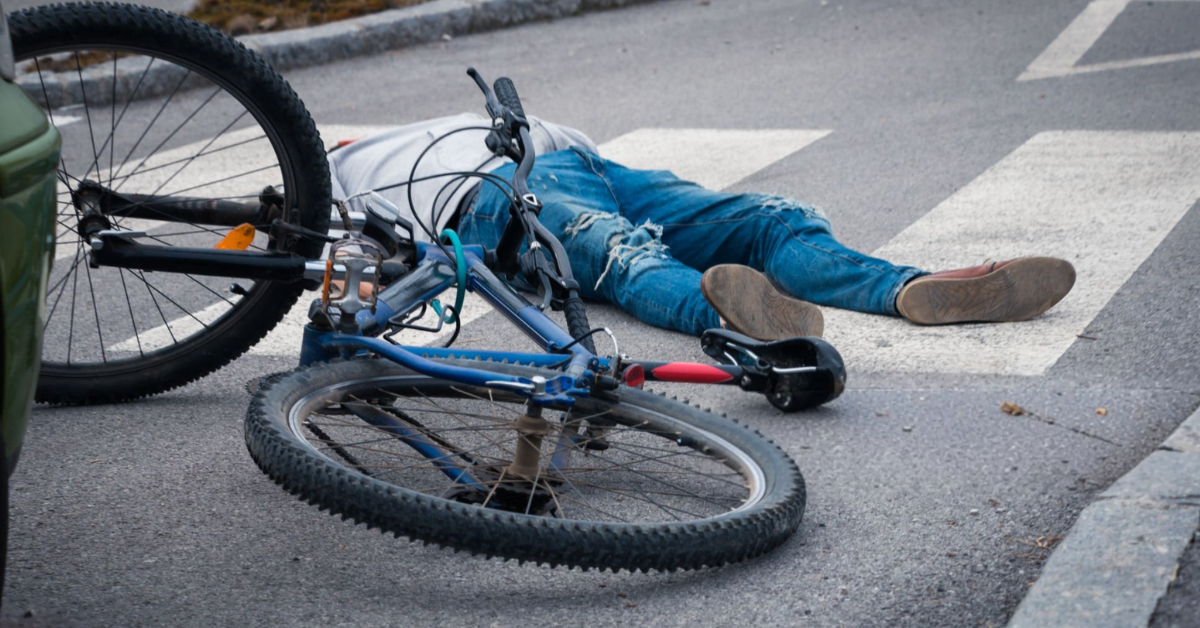
Chaos hits fast after a bicycle crash. One second feels calm, then pain, panic, and confusion take over. Riders often struggle to collect proof while dealing with injuries and shock. A strong California bicycle accident claim often depends on facts gathered right after the crash. Police reports help create a clear picture of what happened on the road. They record driver actions, witness comments, road conditions, and traffic details. Without proper records, proving fault becomes much harder for injured cyclists trying to recover losses after a serious collision.
Police Reports and Their Role in Bicycle Cases
A police report acts like an official record of the crash. Officers arrive at the scene, speak with people involved, inspect damage, and note road conditions. Their findings can shape how insurance companies and courts view the accident later.
Cyclists often feel stressed after a crash. Pain and fear can make details hard to remember. Police reports help fill gaps by preserving important facts while events remain fresh.
Many insurance companies rely on reports during claim reviews. Judges and lawyers also examine them during legal disputes.
Information Included in a Bicycle Accident Report
Police officers gather several details while creating crash reports. Each section may support or weaken a claim depending on the facts.
Most reports include:
- Driver and cyclist information
- Witness names and statements
- Road and weather conditions
- Traffic law violations
- Vehicle damage details
- Injury observations
- Officer’s opinions about fault
Strong bicycle crash documentation in California often starts with these reports because they organize facts in one place.
Fault Investigation After a Bicycle Crash
Police officers examine how the collision happened. They look at traffic signals, skid marks, bike lanes, and vehicle positions. Officers may also ask whether phones, alcohol, or speeding played a role.
If a driver ignores traffic laws, officers often include citations in the report. A traffic ticket can strengthen a cyclist’s injury case later.
Still, police reports do not always decide fault completely. Insurance companies and courts review other evidence, too. Yet reports often carry serious weight because officers act as neutral investigators.
Insurance Companies and Police Reports
Insurance adjusters search for ways to limit payouts. Missing information can hurt injured riders during settlement talks. A detailed report gives structure to a claim and reduces confusion.
Many adjusters review:
- Officer conclusions
- Witness comments
- Traffic citations
- Injury descriptions
- Scene diagrams
Reliable police report evidence in injury claim files often helps cyclists push back against unfair blame from insurers.
Without a report, cases can turn into one person’s word against another. Insurance companies may use gaps in evidence to deny claims or reduce payment offers.
Witness Statements and Their Importance
Witnesses often play a huge role after a bicycle crash. Independent accounts may confirm how the collision occurred. Police officers usually gather witness names and short statements at the scene.
Over time, memories fade. Some witnesses move away or forget details. Police reports preserve early observations before confusion sets in.
For example, a witness may report seeing a driver run a stop sign or drift into a bike lane. Such details can support a cyclist’s version of events during a California bicycle accident claim.
Mistakes Cyclists Should Avoid After a Crash
Small errors after a collision can hurt a legal case later. Many injured riders feel overwhelmed and forget important steps.
Common mistakes include:
- Leaving the scene too soon
- Skipping medical treatment
- Failing to call the police
- Admitting fault during stress
- Posting crash details online
- Ignoring follow-up care
Accurate police report evidence in injury claim files becomes much harder to obtain if police never arrive at the scene.
Legal Value During Court Cases
Courts often review police reports during bicycle accident disputes. Judges may consider officer observations, diagrams, citations, and witness summaries.
Reports can support settlement negotiations before the trial begins. Strong evidence may encourage insurance companies to offer fair compensation earlier.
Still, reports work best when combined with photos, medical files, witness testimony, and expert analysis.
A well-prepared California bicycle accident claim usually depends on several forms of evidence working together.
Support During a Difficult Recovery
A bicycle accident can flip daily life upside down. Medical bills pile up fast. Work hours may shrink. Stress can hit hard during recovery.
Legal guidance often helps injured cyclists understand their rights and next steps after a crash. The team at Thomas F. Forsyth helps injured riders review accident reports, gather evidence, and pursue fair compensation after serious bicycle collisions across California.
FAQs
Why should I call the police after a bicycle accident?
Police reports create an official crash record. They help preserve evidence, witness statements, and road details for insurance and legal claims.
Can I file a claim without a police report?
Yes, but proving fault becomes harder. Insurance companies often rely heavily on reports during investigations.
How long does it take to get a bicycle accident report in California?
Most reports become available within a few days to two weeks, depending on the agency handling the investigation.
What if the police report contains wrong information?
You can request corrections through the reporting agency. Supporting evidence like photos or witness statements may help fix errors.
Do police reports decide fault in bicycle accident cases?
Not fully. Reports help support claims, but insurance companies and courts also review medical records, photos, and witness testimony.
Final Thought
Police reports carry major value after bicycle accidents in California. They preserve facts, support injury claims, and help explain how a crash happened. Missing or weak evidence can create problems during insurance disputes and court cases. Riders who act fast after a collision often place themselves in a stronger position later. Careful records, medical treatment, and proper documentation can make a huge difference during recovery and legal proceedings.